Technology meets the animal world: the robot lion from Kawasaki
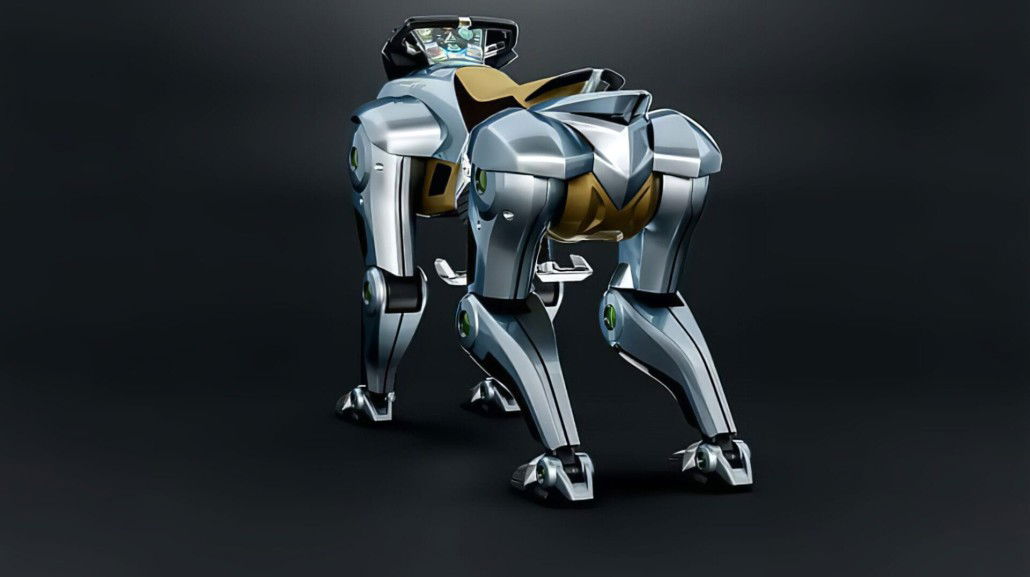
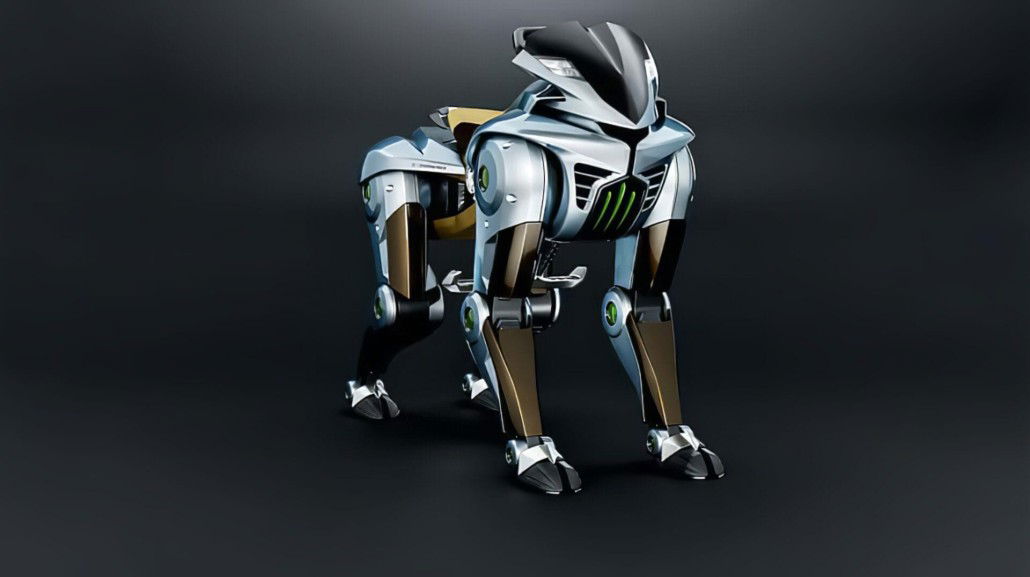
Visually, the Corleo is reminiscent of a cross between a Boston Dynamics robot and an anime lion. In fact, Kawasaki was inspired by the constellation “lion” for the name, not a dog – even if the design initially evokes other associations. With a shoulder height of around 160 cm and a length of 170 cm, the Corleo is about the same size as a touring enduro or an ATV.
However, the special feature lies not only in the design, but also in the drive concept and maneuverability. Thanks to individually controllable, hydraulically suspended limbs, the Corleo should be able to move over the most demanding terrain – including jumps, climbing steps and crossing rugged rock formations. The first images show the machine performing seemingly effortless climbing actions. However, it is not yet clear whether the scenes shown are real prototype shots or purely computer-generated animations. However, it is more likely to be the latter, if the whole thing is not dismissed as a belated April Fool’s joke.
Hydrogen meets mechanics: The Corleo’s drive system
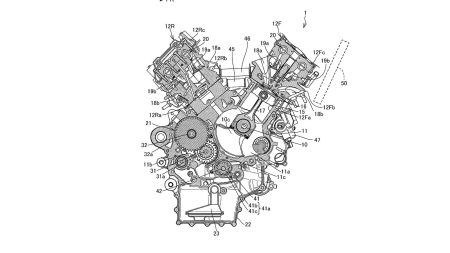
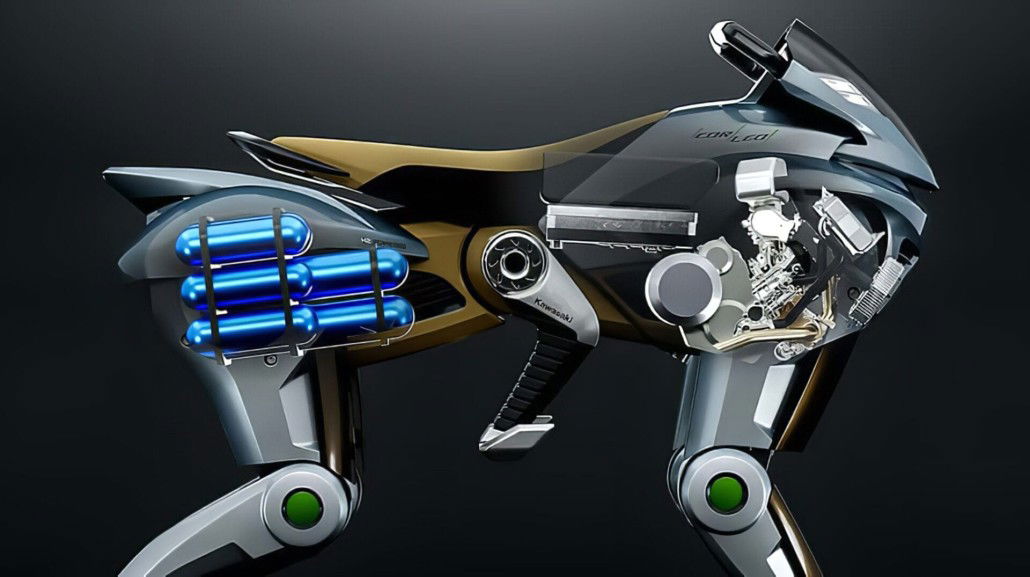
Instead of a classic fuel cell, Kawasaki relies on a small four-stroke single-cylinder engine with a displacement of 150 cm³ for the Corleo. This engine, water-cooled and compactly housed in the front section, is powered by hydrogen – fed from pressurized gas cylinders in the rear. The combustion engine generates electrical energy, which in turn drives powerful electric motors in the legs. The exact specification of the energy storage – for example in the form of batteries – is not yet known.
The aim of the development is to achieve a top speed of up to 100 km/h (62 mph). Whether this speed can also be achieved under real conditions with a rider on the back remains to be seen. In any case, previous simulations have shown that the seat must be heavily sprung at significantly lower speeds – a motorcycle-like suspension system is intended to provide more comfort.
Motorcycle feeling on four legs
Kawasaki emphasizes that the Corleo should be “fun to ride” – just like the brand’s motorcycles. This is ensured by a seating position modeled on the motorcycle with movable footrests, which also serve as an input medium for control commands. Instead of using the throttle and brakes, the rider controls the bike by shifting their weight – similar to riding a real animal. The system recognizes body movements in all directions and adapts the movement accordingly.
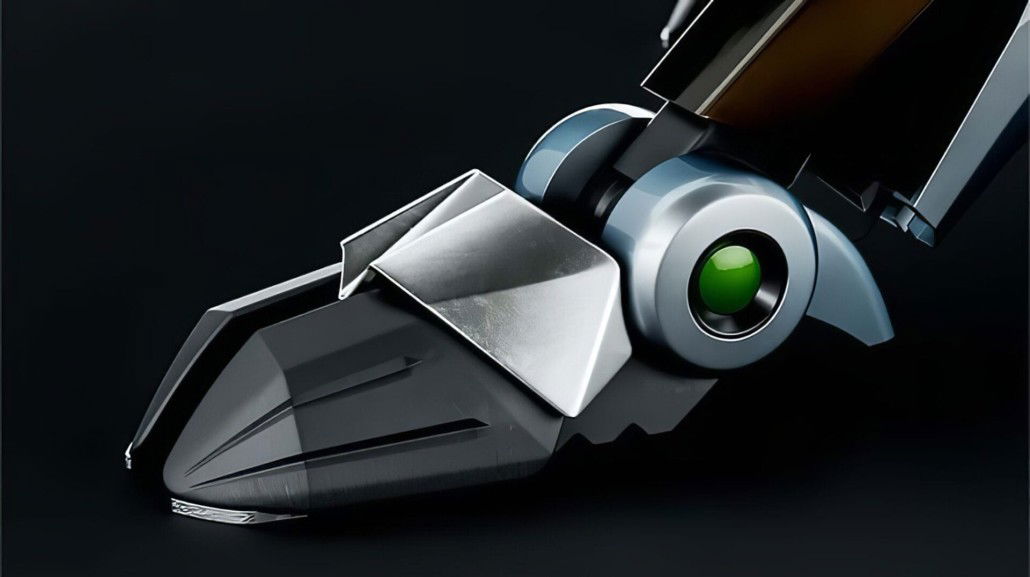
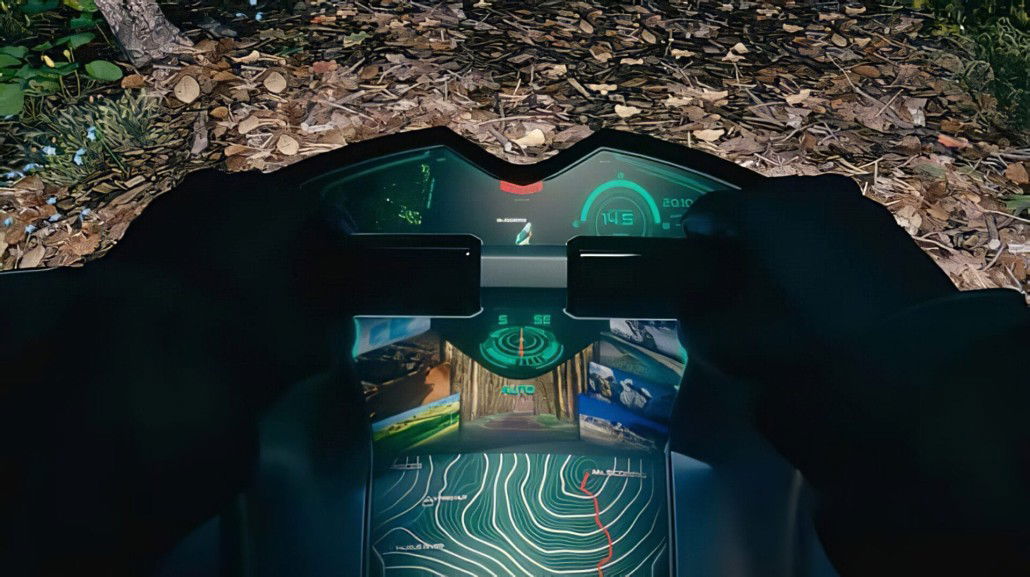
The cockpit is reminiscent of modern motorcycle technology: a large digital display shows navigation data and system status. There are no tires in the traditional sense – instead, four rubber-tyred “hooves” move over the ground.
Between vision and feasibility
So far, the Corleo apparently only exists as a design model. Whether a working prototype has actually been built remains to be seen. Even Kawasaki is only talking about a concept so far – the year 2050 is mentioned internally as the target date. The presentation at Expo 2025 is primarily intended to show where personal mobility could develop in the coming century.
Kawasaki is much further along with other hydrogen projects. The Ninja H2 HySE with a 200 hp (147 kW), hydrogen-burning four-cylinder compressor engine, which is already ready to ride, shows that the company is seriously working on alternative drive systems. The Corleo could one day be an exciting addition – for those who want to literally experience motorcycling in a new way.
[amazon bestseller=”Motorrad ferngesteuert” items=”3″ ]