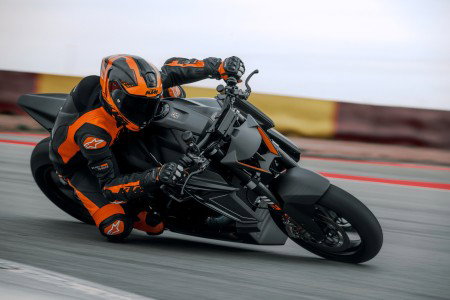
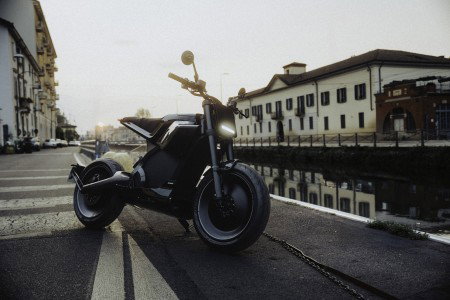
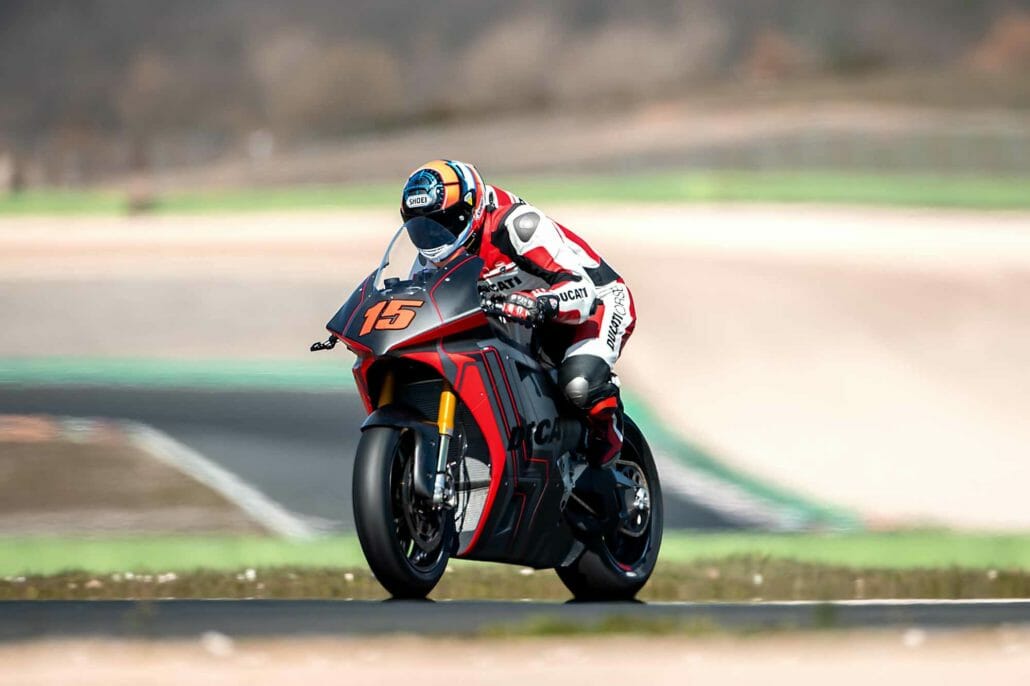
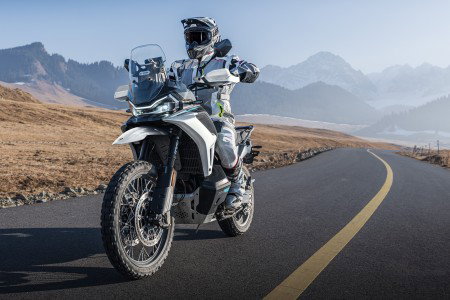
With its M2 prototype, French manufacturer Furion is presenting a new approach to hybrid motorcycles. The focus is on Eversor technology, which is designed to improve traction, recuperation, and handling.
Browsing: Technology
Technology
In this category you will find articles covering technical topics related to motorcycles. This includes developments in engines, chassis design, electronic systems, aerodynamics, as well as new construction and production solutions from manufacturers.
The list below brings together reports on technical innovations, patents, concept studies and detailed analyses of specific components. Background information on regulations, emission standards and technical trends in racing may also be covered.
This section provides an overview of current technical developments and explains how new technologies and engineering concepts are influencing the motorcycle market.
BMW has filed a patent describing the use of so-called Flettner rotors on motorcycles. The aim is to generate variable downforce and reduce the disadvantages of conventional winglets.
A new patent from Aprilia suggests that aerodynamic leg wings from MotoGP could also be used on production motorcycles in the future. The solution aims to improve aerodynamics when riding in a straight line and provide additional stability when leaning into corners.
In the future, electric motorcycles may no longer be developed solely through new motors or batteries, but primarily through software and artificial intelligence. An Indian manufacturer is introducing a new vehicle architecture for this purpose, which is intended to enable several types of motorcycles and e-scooters to be built on a common technical basis.
A motorcycle from 1907 that reportedly reached over 136 mph seems almost unimaginable from today’s perspective. Jay Leno’s garage features a roadworthy reconstruction of the legendary Curtiss V8, which illustrates what speed really meant more than 100 years ago.
A newly published patent from Honda shows an assistance system designed to actively steer motorcycles away from impending collisions. The technology could prevent accidents, but raises fundamental questions about control and responsibility when riding a motorcycle.
BMW has patented a new screw profile in which the well-known brand logo itself becomes a tool holder. The idea seems creative at first glance, but could make screwing on BMW motorcycles significantly more complicated.
With the GT-Air 3 Smart, Shoei introduces a full-face helmet that offers a fully integrated head-up display for the first time. This was made possible through close collaboration with French specialist EyeLights, and was unveiled to the public for the first time at EICMA in Milan.
Shoei introduces e:DRYLENS, a new electronic visor insert that combines anti-fog protection and variable sun protection. The technology is initially only available for selected helmets and exclusively for the Japanese market.
Honda is apparently working on a new V4 engine. Highly detailed patents suggest that the traditional concept could be making a comeback.
Kawasaki is working on an unusual means of transportation that aims to completely reinterpret the off-road experience. Corleo, a four-wheel-drive off-road system on robotic legs, is set to be used at major events and in everyday alpine life in the coming years.
General Motors is working on a novel two-stroke concept designed to avoid the classic weaknesses of this type of engine. A recently published patent application shows how an electronically controlled valve system could reduce emissions and improve efficiency and durability.
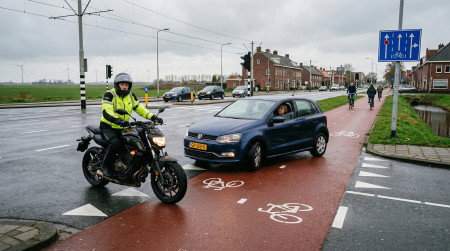
Tesla wants to introduce its Full Self-Driving system in Europe as quickly as possible, but serious accidents involving motorcycles are raising questions about safety. The Dutch registration authority RDW is demanding that the protection of motorcyclists be a priority—only then can approval be granted.
MV Agusta presented a new type of engine at EICMA, called the Cinque Cilindri. The model represents a new chapter in the brand’s engine development. The engine features five cylinders, three camshafts, and electrically powered auxiliary units. With this development, MV Agusta is moving away from previous speed-oriented drive concepts and pursuing the goal of combining technological fascination with everyday practicality.
Honda presented the prototype of the V3R 900 with electronic supercharger at EICMA 2025 in Milan. With this motorcycle, the manufacturer is focusing on technical innovation and pursuing the goal of achieving a balance between performance, riding pleasure, and environmental compatibility. The V3R 900 with e-supercharger exemplifies Honda’s future strategy in the field of sporty road motorcycles.
Stricter emissions regulations, increasing efficiency requirements, and the desire for more power from smaller engines are presenting motorcycle manufacturers with new challenges. Supercharging systems such as turbochargers, compressors, or electric compressors could therefore be making a comeback in motorcycle construction. While such technologies have long been established in cars, they are only gradually finding their way into motorcycles. Models such as the upcoming Honda V3R with an electric compressor, the compressor bikes already available from Kawasaki, and innovative hybrid approaches show that development is gaining momentum. But what systems are available, how do they work, and what impact do they have on handling, sound, and everyday usability?
According to its own statements, 24M, a US company based in Massachusetts, has developed innovative battery technology that has the potential to fundamentally change electric mobility. The technology promises not only a significantly higher range of up to 1,000 miles (approx. 1,609 km), but also lower costs, increased safety, and flexible applications—including for electric motorcycles.
At the Japan Mobility Show 2025, Suzuki is showcasing a wide range of concepts and studies, ranging from alternative drive systems to an anniversary model of the GSX-R1000R. The manufacturer is thus demonstrating its strategy of offering both traditional sports motorcycles and modern solutions for sustainable mobility.
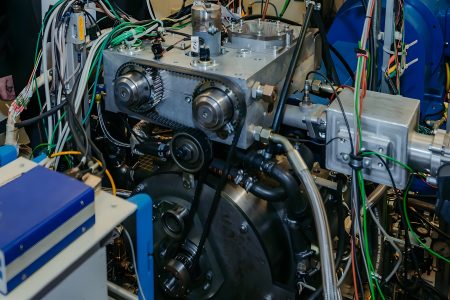
Just under ten years after entering MotoGP, KTM has taken another significant step in its motorsport history. The new 850cc engine concept for the 2027 season was tested on the test bench for the first time in Mattighofen, Austria. The reason for this is the upcoming technical regulations that will apply in the premier class from 2027.
Yamaha has filed a patent that addresses a well-known problem with electric motorcycles: many motorcyclists find the switch to electric drive less exciting because they miss the typical engine noise and vibrations of a combustion engine. A novel technical solution is intended to compensate for this disadvantage.